

 See My Latest Article on HelloNation
What Is Companion Care?
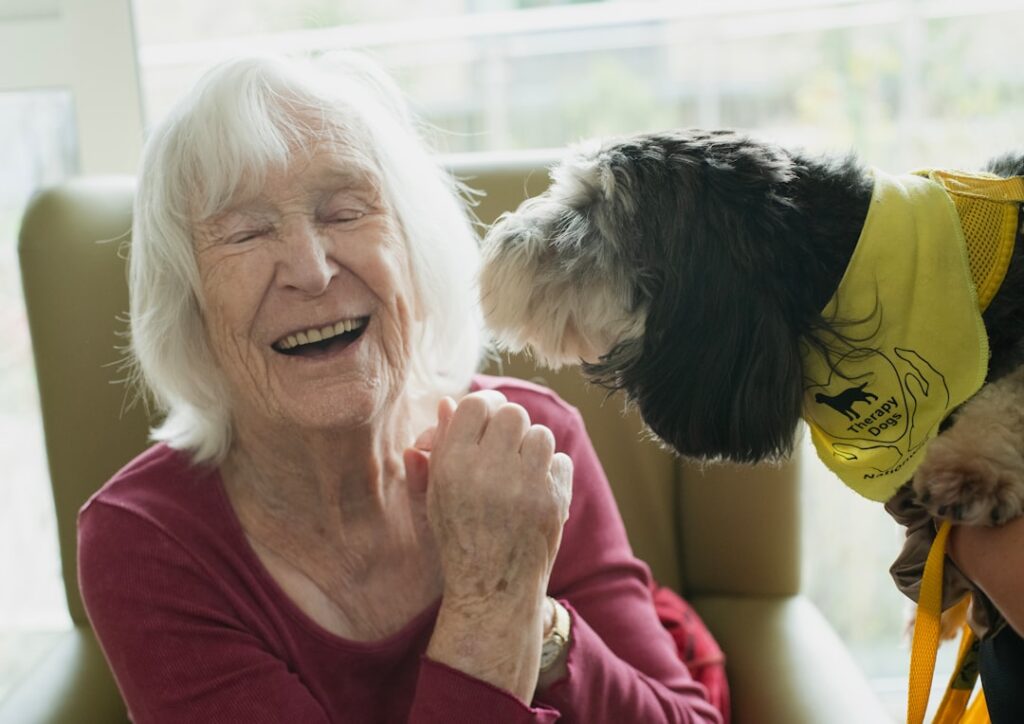
Companion care refers to non-medical support designed to help individuals remain socially engaged and emotionally supported in their daily lives. The focus is on companionship, conversation, and basic assistance, rather than hands-on help with physical needs.
In Cumming, families often seek companion care for aging adults, those living alone, or individuals whose families may not live nearby. The city’s mix of single-family homes and retirement communities means companion care provides a valuable social connection, especially for those who experience isolation.
Typical companion care activities include:
- Conversation, reading aloud, or playing games
- Transportation to appointments or social events
- Light housekeeping and organizing
- Meal preparation and planning
- Running errands or grocery shopping
- Accompanying on local walks, park visits, or hobbies
It does not include physical assistance with activities like bathing, dressing, or toileting.
What Is Personal Care?
Personal care involves hands-on assistance with daily living activities that someone may struggle with due to age, mobility issues, illness, or disability. The focus is on providing physical support to maintain safety, hygiene, and comfort.
In area homes, this type of care can make it possible for residents to stay independent for longer—without moving to a care facility.
Personal care may include:
- Bathing, showering, and grooming
- Dressing and undressing
- Help with toileting and incontinence care
- Assistance with walking or transfers (such as from bed to chair)
- Support with medication reminders (not administration)
- Hair care, oral hygiene, nail care (excluding cutting)
Personal care often includes elements of companion care, but the key difference is the need for physical, hands-on help.
How Do You Know Which Type of Care Is Needed?
The easiest way to discern the right fit is to determine whether physical help is required.
If a loved one primarily needs someone to check in, provide company, keep them engaged, and assist with routine tasks, companion care typically suffices. Local examples include widowed seniors who are independent but want company, or people who need a little help getting to community events or medical appointments.
If someone struggles with any hands-on activity of daily living—such as getting out of bed, bathing, or using the restroom—personal care is more appropriate. This level of care addresses the safety and dignity of individuals who cannot manage these tasks on their own.
In Cumming’s neighborhoods, it’s also common to see care needs evolve over time. Someone may begin with companion care and gradually require more hands-on support as their health changes.
Are There Overlapping Services?

Yes, it's common for the lines to blur, especially as people’s needs shift.
A companion may prepare a meal or help tidy up, tasks that provide practical support but don’t involve personal contact. Personal care includes these tasks, but adds bathing, dressing, and bathroom assistance.
In some Cumming households, a caregiver may start with companionship but transition to personal care as a resident’s mobility or health declines. Keeping care plans flexible is particularly useful for those aging in place in suburban homes or those recovering from surgeries.
Who Provides Care — and What Training Is Required?
Companion caregivers are trained to provide social engagement and monitor client wellbeing. They do not provide hands-on medical or hygiene support.
Personal caregivers usually require additional training in safe transfer techniques, infection control, and privacy for hands-on help. The state of Georgia sets minimum requirements for personal care attendants, but agencies may provide additional instruction in areas like fall prevention and adaptive equipment.
Local families should be aware that, legally, some hands-on tasks require specific qualifications. Medication administration or wound care, for example, may only be performed by a qualified nurse, not a personal caregiver.
What Are Common Misunderstandings?
A frequent misconception is that companion care can include all types of help. In reality, there are clear boundaries: tasks involving direct physical contact are not included in companion care, even if a trusting relationship has developed.
Some families also confuse the terms "home health" and "personal care." Home health involves skilled medical support, such as wound care or injections, and is distinct from non-medical personal care.
Also, within the community, some may assume that all non-medical care is alike, when in truth, the differences revolve around hands-on help versus social and practical assistance.
How Do Costs and Schedules Differ?
Companion care is often more flexible, with hourly visits or scheduled check-ins. Because it does not involve specialized physical assistance, it sometimes costs less than personal care. However, rates and availability can vary depending on the level of responsibility, the number of hours needed, and the caregiver’s role.
Personal care, due to its hands-on nature and legal requirements for training, typically has a higher hourly cost in Cumming and may require more predictable scheduling to ensure continuity of care.
What Local Factors Influence Choice?
The climate and layout of Cumming allow many older adults to enjoy time outdoors, which makes companion care especially valuable for those who still walk or garden safely with light supervision.
For those living in single-story homes or apartments, companion care may meet social and practical needs for longer. However, homes with stairs or mobility obstacles may prompt a faster transition to personal care if a resident's mobility declines.
Seasonal weather changes—such as hot, humid summers—also influence needs, as some residents require closer supervision during outdoor activities or may need more assistance when high temperatures make independent activity risky.
Support systems, family proximity, and community resources all play a part. Households with family nearby may opt for companion care to supplement family visits, while those further away often rely on more comprehensive personal care for peace of mind.