

 See My Latest Article on HelloNation
How Does Personal Care Fit Into Daily Life for Older Adults?
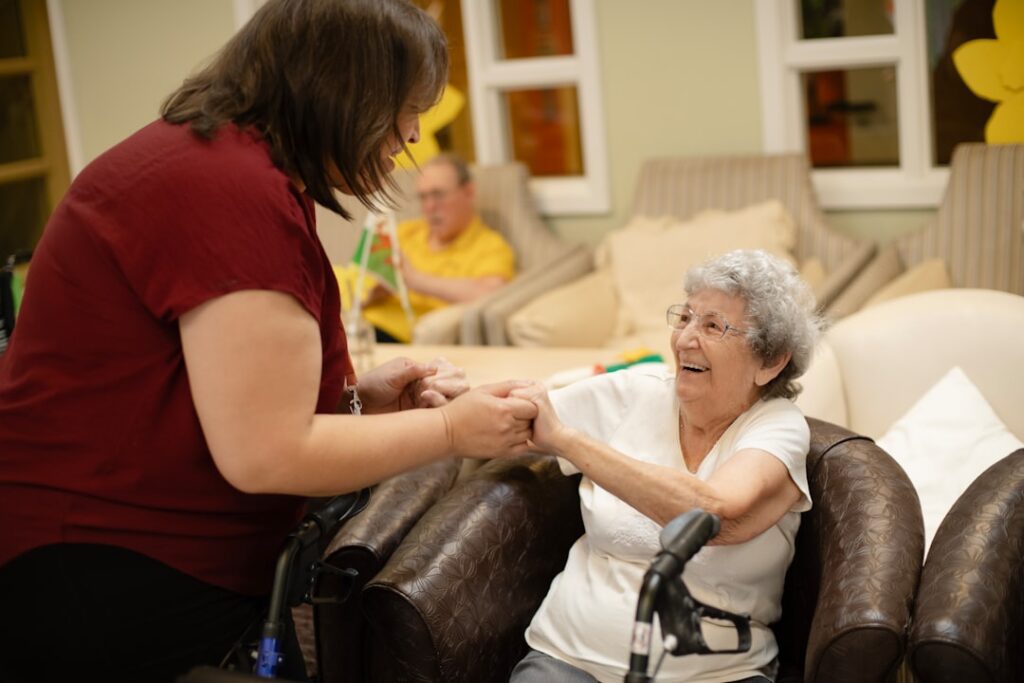
Personal care is direct help with the everyday routines that allow seniors to live comfortably and safely at home. In Cumming, GA, many older residents want to age in place, but changes in mobility, memory, or chronic health can make essential tasks more challenging. Personal care bridges this gap, supporting practical needs without requiring medical intervention or leaving home.
The region's housing trends—often featuring single-family homes and multilevel layouts—can create daily barriers for older adults with limited mobility or stamina. Reliable personal care allows area residents to keep up with necessities while staying in familiar surroundings.
What Are Activities of Daily Living (ADLs) and Why Are They Important?
Activities of Daily Living (ADLs) are basic self-care tasks everyone needs for personal health and dignity. They include:
- Bathing or showering
- Dressing and grooming
- Toileting and continence care
- Eating and meal preparation
- Walking or transferring (getting in or out of bed/chair)
In the Cumming community, local climate and housing means some ADLs—like bathing or moving between floors—can require more assistance depending on the season or home layout. These activities are foundational: difficulties with any ADL can lead to unsafe situations, reduced confidence, or even risk of having to leave home for more structured care.
How Does Personal Care Support These Activities?
Personal care aides offer hands-on help with ADLs, adjusting their approach based on the person’s abilities and daily routine. Here's how personal care commonly helps:
- Assisting with getting in and out of the shower safely, especially when bathrooms have slippery surfaces or lack grab bars
- Helping select, put on, and fasten clothing—important for seniors with arthritis or limited range of motion
- Supporting safe movement from bedroom to kitchen, or up and down stairs, particularly in multilevel Cumming homes
- Preparing meals on stoves or with appliances, which can be risky for those with shaky hands or memory challenges
- Providing reminders to use the toilet or assisting with hygiene if needed
Besides reducing risk of falls or injuries, regular personal care builds confidence. People can take part in activities rather than being “done for”—such as choosing their own clothes, dining in their kitchen, or participating in household routines.
Are There Less Obvious Ways Personal Care Benefits Seniors?
Yes. Personal care does more than the basics, easing several overlooked challenges for local seniors:
- Encouraging hydration during hot, humid Georgia summers, and monitoring signs of heat exhaustion during daily routines
- Adapting to seasonal routines, like more layers in winter or checking for tripping hazards from wet entryways during rainy months
- Helping with light housekeeping related to personal tasks—making beds after dressing, tidying bathrooms after bathing, or washing dishes after meals
- Offering social interaction, helping reduce feelings of isolation, which can affect both physical and mental health
Sometimes simply knowing someone is there gives seniors the confidence to stay active in their own homes.
What Are Common Misconceptions About Personal Care for Daily Living?
There are a few persistent myths:
*Personal care is only for those who are “very old” or “seriously ill.”*
In reality, many Cumming residents needing personal care are managing chronic conditions or recovering from surgery—not necessarily at the end of life or unable to make decisions.

*Accepting help takes away independence.*
Actually, consistent support can help area seniors remain at home longer and safely do more for themselves. It’s about empowering independence, not reducing it.
*All personal care is the same as medical care.*
Personal care focuses on day-to-day well-being, not treatments or medication management. It’s distinct from home health or skilled nursing, which may include therapy or medical oversight.
How Can Local Families Tell When Personal Care Might Be Needed?
Changes in self-care, appearance, or household upkeep often signal that hands-on support could help. Some practical signs that personal care might benefit a senior:
- Clothes worn repeatedly or appearing unwashed
- Frequent falls, stumbles, or new bruises
- Weight loss, burnt pans, or spoiled food in the fridge
- Odors indicating missed bathing or clean-up
- Unfinished household chores piling up
- Reluctance to leave certain rooms, like staying downstairs to avoid stairs
Local families sometimes notice these clues after holiday visits or during seasonal routines.
What Should Local Residents Consider When Arranging Personal Care?
The goal is to empower seniors to maintain their routines, safety, and preferences at home. Things to think about in Cumming include:
- Home layout: Stairs, bathing areas, kitchen access—these influence what kind of support is most helpful.
- Climate and weather: Assistance may be needed some months more than others (for example, with safe mobility during ice, humidity, or storms).
- Family schedules and distance: Some local families provide part-time help but coordinate with others or check in by phone, especially if they commute or live elsewhere in the region.
- Preferences for routine: Some people prefer help at certain times—mornings for hygiene, evenings for getting ready for bed, or just during meal preparation.
Being aware of these factors helps tailor support so that it truly matches each person’s needs.