

 See My Latest Article on HelloNation
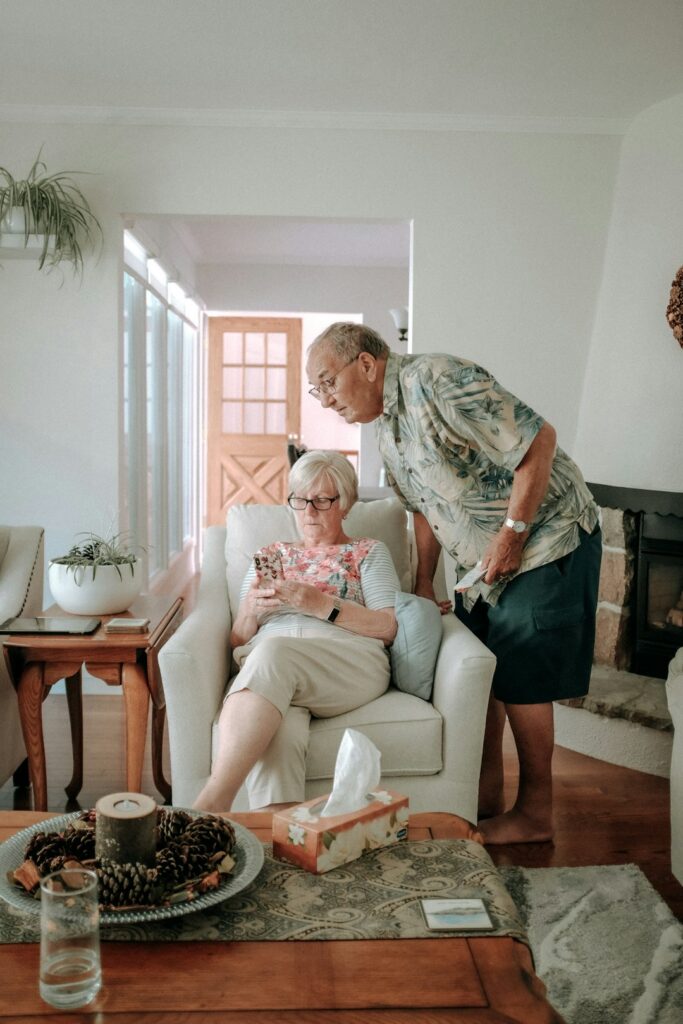
What Are the Most Common Home Safety Risks for Older Adults?
Falls and preventable injuries are leading concerns for those hoping to age in place. In Cumming, GA, local households often have features such as multi-level layouts, porch steps, and heavier seasonal pollen accumulation, all of which can affect safety. The most common risks include:
- Slippery floors from cleaning products or weather-related dampness
- Clutter or area rugs that create trip hazards
- Inadequate lighting, especially in hallways and bathrooms
- Steep or narrow staircases
- Bathrooms without grab bars or non-slip surfaces
Proactive assessment of these areas helps prevent accidents. Many families overlook hazards that have become “invisible” because they’re part of the everyday setting. Walking through the home with fresh eyes or using a safety checklist can reveal these trouble spots.
How Can Home Modifications Increase Comfort and Independence?
Small adjustments often go a long way in supporting daily routines and independence. Examples that are particularly relevant in local homes include:
- Lever-style door handles, which are easier for hands with arthritis or limited grip strength
- Ramps or threshold strips at entryways to accommodate walkers or uneven terrain
- Sturdy railings on both sides of stairs, especially for split-level houses common in the area
- Adjustable shower heads and seating in bathrooms
- Removing unnecessary furniture to create wider pathways
These changes are often simple but can empower older adults to move around more freely and safely. For households dealing with pollen or frequent leaf fall, proper sealing of windows and regular filter replacements can also improve comfort by reducing allergies.
What Daily Care Routines Help Prevent Accidents?
Routine and consistency are key. In Cumming, daytime routines may include managing temperature variations and humidity, which can impact hydration and skin health. Useful habits to foster include:
- Clearing clutter each morning or evening
- Checking that shoes fit properly and have non-slip soles
- Ensuring pathways to frequently used rooms remain clear
- Using nightlights in bathrooms and bedrooms
- Testing smoke alarms and carbon monoxide detectors regularly
Families sometimes assume loved ones will mention difficulties, but embarrassment or pride often discourages this. Periodic check-ins about comfort and mobility can uncover barriers before they lead to incidents.
How Can Technology Support Safer Aging at Home?
Modern tools can ease both safety and social isolation. For older residents in Cumming, simple technologies add both reassurance and connection. Consider devices such as:
- Wireless alert buttons for emergency help
- Door sensors or alarms to help caregivers monitor movement discreetly
- Automatic pill dispensers for medication management
- Video doorbells to safely screen visitors
Local internet reliability is generally good, but families should check signal coverage where devices will be placed. Technology complements, but does not replace, regular human contact and observation.
Are Seasonal and Weather-Related Factors Important?
Local climate plays a subtle but important role in home care. In Cumming, pollen levels can influence respiratory health, while humidity and occasional ice in winter months create unique risks. Safety tips specific to the area include:

- Placing floor mats inside entryways during wet months to catch mud and water
- Regularly cleaning air vents and filters to reduce allergens
- Checking outdoor walkways for icy patches or leaf buildup, especially if an older adult ventures outside
- Keeping flashlights and batteries accessible for storm-related power outages
Seasonal changes are a good time to review all safety routines and make adjustments as needed.
What Role Does Communication Play in Home Safety?
Clear, frequent communication among family members and with the older adult is essential. Expectations and abilities can change over time, and involving the person in decisions respects their preferences and boosts cooperation. Local families often benefit from:
- Holding regular conversations about comfort, worries, or changes in health
- Creating an emergency contact list that’s easy to find for anyone who visits
- Agreeing on signals or routines for checking in without being intrusive
Many older adults appreciate having a voice in their own care, which also builds trust and helps spot subtle changes early.
What Are Some Lesser-Known Ways to Enhance Comfort?
Comfort extends beyond physical safety. Sensory needs, privacy, and having access to meaningful activities all support wellbeing. Often-overlooked ideas include:
- Arranging furniture so the person can enjoy outdoor views or natural sunlight without glare
- Providing textured blankets and cushions for tactile reassurance
- Keeping familiar objects and photos in view to maintain a sense of continuity
- Rotating accessible reading materials, puzzles, or hobby supplies to encourage engagement
In multi-generational Cumming households, small changes like quiet corners or clear routines for visitors can make the space feel more personal and manageable for everyone.
When Should Families Ask for Additional Support or Guidance?
Families can handle many adjustments themselves, but certain scenarios require extra resources. For structural issues affecting safety—such as major electrical work, unstable flooring, or persistent mold—consulting a licensed contractor is safest. If memory loss or mobility declines rapidly, local public agencies or community health resources can offer practical advice.
Remaining attentive to early warning signs—like increased falls, confusion, or withdrawn behavior—helps area households decide when to seek out expert input or new routines. Local support groups, educational events, and municipal programs often provide valuable, unbiased information.