

 See My Latest Article on HelloNation
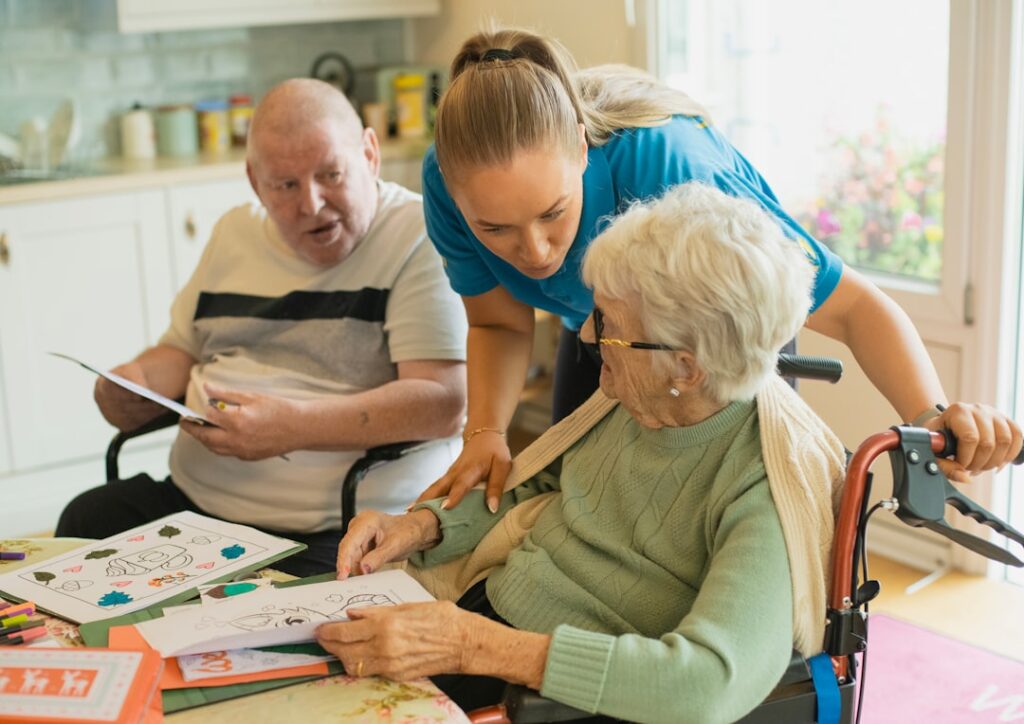
What Is In-Home Care for Older Adults?
In-home care means providing non-medical assistance to older adults in their own homes rather than in a facility or hospital. This support can include help with everyday activities, companionship, safety monitoring, and support with personal routines. Unlike home healthcare, which is supervised by medical professionals, non-medical home care focuses on daily living tasks and fostering independence.
How Does In-Home Care Improve Daily Life?
In-home care helps older adults maintain routines and remain comfortable in familiar surroundings. Having assistance at home supports aging in place, a preference for many residents in Cumming, especially those wishing to avoid disruption from moving to an assisted living setting.
Help can include:
- Preparing simple meals that suit personal tastes and any dietary needs
- Offering reminders for medication without dispensing it
- Light household tasks such as laundry, vacuuming, and organizing
- Escorting or providing supervision on walks in the neighborhood or during local outings
- Assisting with bathing, dressing, and grooming
- Providing company and friendly conversation
This kind of direct support helps local older adults enjoy more autonomy while easing stress for family and friends who may not be able to provide full-time help.
Who Might Benefit Most from In-Home Care?
Older adults in the community who might benefit include those recovering from illness, those with limited mobility, or anyone whose memory challenges make daily tasks harder. It can also be valuable for people living alone without immediate family nearby, or whose loved ones work full-time or live out of the area.
Common indicators that a local resident might benefit include:
- Difficulty keeping up with chores or errands
- Unsteady walking or increased risk of falls at home
- Missing medication doses or confused routines
- Growing isolation or less interest in social activities
What Types of Services Are Typically Included?
Non-medical home care services are flexible to individual needs. The scope usually depends on preferences, health conditions, and family involvement.
Typical services may include:
- Meal preparation and grocery help for area households
- Light housekeeping adjusted for the local climate, such as more frequent sweeping after spring pollen or helping with mudroom cleanup in rainy seasons
- Accompaniment to appointments or to parks, given the car-dependent layout in many Cumming neighborhoods
- Assistance with safe movement around the house, taking into account the layout of common home designs in the area
What Are Common Misconceptions About In-Home Care?
Many people in the community confuse non-medical home care with medical home health services. Non-medical caregivers don’t handle wound care, give injections, or perform medical treatments. They also don’t push for constant “shadowing” of a client but instead support as much independent activity as possible.

Another misconception is that in-home care is only for individuals with severe needs. In reality, even a few hours a week of support can make daily living much more manageable, especially for those with mild challenges or early memory loss.
Is In-Home Care Only for People with Serious Health Problems?
No, in-home care is used by a wide range of older adults, from those with minor difficulties in daily routines to those managing chronic conditions. It’s as much about preserving personal routines, safety, and dignity as it is about supporting complex needs.
Some local residents welcome an extra set of hands with seasonal household tasks, while others may need structured support after a hospital stay or during recovery periods.
How Is In-Home Care Arranged in Cumming?
Arranging in-home care often begins with a conversation among family, the older adult, and sometimes a primary doctor to figure out what supports would make the biggest difference. Non-medical care does not require a medical prescription, but coordinating with healthcare providers can help clarify which services will best fit the situation.
Care plans are flexible. For example:
- Some people prefer regular, shorter visits several times a week
- Others might need daily help with mornings or evenings, especially if family is only available at certain times
- Regular check-ins can be critical in winter or during summer storms, when outdoor trips are more challenging
What Should Local Families Consider When Deciding on In-Home Care?
Think about the specific needs, family support available, neighborhood setup, and home layout. For example, rural homes or those with stairs may require added help with mobility. Consider the older adult’s comfort with new faces and routines, along with any personal preferences around privacy or schedule.
Financial planning is another aspect. Non-medical in-home care is typically paid out-of-pocket or through long-term care insurance. Knowing costs, available coverage, and the balance with informal family support can help local families design a sustainable plan.
Can In-Home Care Address Social Isolation and Safety?
Beyond physical support, in-home care helps reduce loneliness and minimize risks such as falls. For older adults in the city who may not drive or who experience limited community engagement, a companion can make daily interactions possible—anything from reading the newspaper together to sharing a walk or simply checking in for a chat.
Companionship is recognized as a key element in reducing depression and supporting emotional well-being among older adults, especially for those whose households are often empty during working hours.
What’s the Difference Between In-Home Care and Home Health Care?
Home health care is provided by nurses or therapists under a doctor’s instructions and is usually for those who are recovering from illness or surgery. Non-medical care, in contrast, centers on daily living and comfort rather than treatment. Both can complement each other, but they are different services.
Understanding this distinction helps families in the community find the right kind of support for their situation, without assumptions or misplaced expectations.