

 See My Latest Article on HelloNation
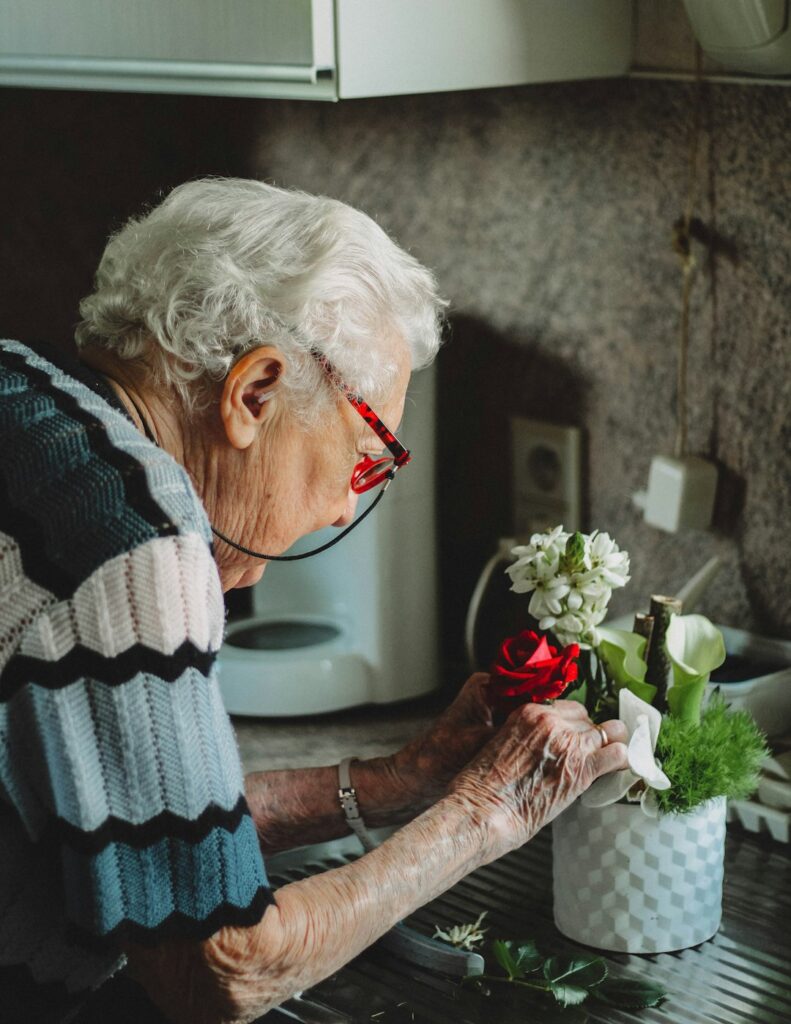
What does an in-home caregiver typically help with each day?
An in-home caregiver can assist with routine, non-medical activities that help a person remain comfortable, safe, and engaged at home. Daily support may include personal care, meal preparation, light housekeeping, errands, mobility assistance, companionship, and reminders.
The exact routine depends on the person’s abilities, preferences, household, and care plan. Some people need only a few hours of help with specific tasks, while others benefit from support throughout the day.
How can a caregiver help with the morning routine?
Morning assistance often sets the pace for the rest of the day. A caregiver may help a person get up safely, organize clothing, complete grooming tasks, and prepare breakfast.
Common morning activities include:
- Helping with safe movement from the bed to a chair or bathroom
- Providing standby assistance while walking
- Choosing weather-appropriate clothing
- Assisting with brushing teeth, hair care, or shaving
- Preparing breakfast and setting up drinks
- Reminding the person about a planned medication schedule without administering medication
- Opening curtains, adjusting room temperature, or improving lighting
In homes with stairs, narrow hallways, or uneven outdoor walkways, the caregiver may also help identify safer routes through the home. During rainy periods or hot, humid weather, outdoor walking routines may need to be shortened or moved indoors.
What personal care tasks are allowed in non-medical home care?
Non-medical caregivers may assist with ordinary personal care, depending on training, agency policies, and the individual’s service arrangement. Personal care is generally focused on daily living rather than diagnosis or treatment.
Support may include:
- Bathing or shower preparation
- Help entering or leaving a tub or shower
- Dressing and undressing
- Toileting routines
- Incontinence-product changes
- Handwashing and basic grooming
- Applying non-prescription lotion or personal-care products when appropriate
- Setting out clean towels and clothing
A caregiver should respect privacy and encourage the person to do as much as possible independently. Assistance should not become unnecessary control. A person may need help with one step of a task while safely completing the rest alone.
Tasks involving wound care, injections, catheter care, medication administration, or clinical assessments generally fall outside ordinary non-medical caregiving and may require qualified health professionals.
Can an in-home caregiver prepare meals and help with eating?
Yes. Meal support is one of the most common daily responsibilities. A caregiver may plan simple meals, check available ingredients, prepare food, clean the kitchen afterward, and provide reminders to eat or drink.
Examples include:
- Preparing breakfast, lunch, dinner, and snacks
- Cutting food into manageable pieces
- Making simple dishes suited to the person’s preferences
- Checking expiration dates
- Creating a short grocery list
- Storing leftovers safely
- Washing dishes and wiping kitchen surfaces
- Encouraging regular fluids, when consistent with the person’s instructions
Caregivers should follow dietary instructions provided by the person, family, or qualified health professional. They should not independently create a therapeutic diet or make changes for conditions such as diabetes, swallowing problems, or food allergies.
A caregiver may also notice practical concerns, such as an empty refrigerator, spoiled food, difficulty opening containers, or trouble using the stove. These observations can be shared with the appropriate family member or care coordinator.
What household chores can a caregiver perform?
Light housekeeping is usually intended to keep the person’s immediate living space orderly and usable. It is not the same as deep cleaning, construction work, or full household maintenance.
Typical tasks may include:
- Changing bed linens
- Washing and folding everyday laundry
- Taking out household trash
- Vacuuming or sweeping frequently used areas
- Wiping counters and tables
- Cleaning up after meals
- Organizing commonly used items
- Watering indoor plants
- Keeping pathways clear of clutter
Caregivers generally should not handle hazardous chemicals, climb ladders, move heavy furniture, repair appliances, or perform outdoor maintenance that creates a fall or injury risk. In a larger home, priorities may focus on the bedroom, bathroom, kitchen, and main sitting area rather than every room.
Can caregivers provide transportation and help with errands?

Many in-home caregivers assist with transportation or errands if those activities are included in the care arrangement and the transportation method is safe and appropriate. This may involve accompanying a person to a routine appointment, grocery shopping, a community activity, or a family visit.
A caregiver may also:
- Pick up groceries or household supplies
- Return library materials
- Collect prescriptions that have already been ordered
- Accompany the person during shopping
- Help carry lightweight bags
- Provide steadying support while entering or leaving a vehicle
Transportation expectations should be discussed clearly in advance. Questions may include who drives, whether the caregiver uses a personal vehicle, how mileage is handled, and what happens during severe weather. Roads, parking areas, and sidewalks can become more difficult to navigate during heavy rain, heat, or occasional winter conditions, so plans may need flexibility.
How does companionship fit into daily caregiving?
Companionship is not an extra feature; it is often a central part of daily support. A caregiver may talk with the person, play cards, read aloud, listen to music, help write letters, or participate in a familiar hobby.
Meaningful companionship can also involve ordinary conversation about family, meals, photographs, television programs, gardening, faith traditions, or past experiences. The goal is not to keep someone constantly entertained. It is to reduce isolation while respecting quiet time and personal preferences.
A caregiver may encourage a person to make simple choices, such as selecting lunch, deciding what to wear, or choosing between two activities. These small decisions can help preserve independence.
What safety observations might a caregiver make?
A caregiver is often in a position to notice changes in the home or daily routine, but the caregiver does not diagnose medical conditions. Useful observations may include a new trip hazard, a burned-out light, repeated difficulty standing, unusual confusion, missed meals, or a noticeable change in mood.
The caregiver may report:
- Spills or clutter in walking areas
- Unsafe footwear
- Difficulty using mobility equipment
- Food or water concerns
- A change in sleep or daily habits
- Problems with household appliances
- Signs that the person may need more assistance than before
Sudden or serious symptoms require appropriate medical or emergency attention. A non-medical caregiver should follow the household’s emergency instructions and avoid making clinical judgments.
How is a daily care routine usually organized?
A practical routine begins with the person’s priorities rather than a fixed checklist. Some days may focus on bathing and meals; other days may include an outing, laundry, or more rest.
A simple daily plan may include:
- Morning personal care and breakfast
- A midday meal, hydration reminders, and light activity
- Household tidying or laundry
- An afternoon errand, hobby, or rest period
- Evening meal preparation and bedtime routines
Families should clarify which tasks are essential, which are optional, and which are outside the caregiver’s role. Clear instructions are especially helpful when several family members are involved or when routines change seasonally.
For residents in Cumming, household layouts, weather, transportation needs, and distance between destinations may all affect the timing of daily support. A well-organized routine allows room for slower mornings, unexpected delays, and the person’s changing energy level.