

 See My Latest Article on HelloNation
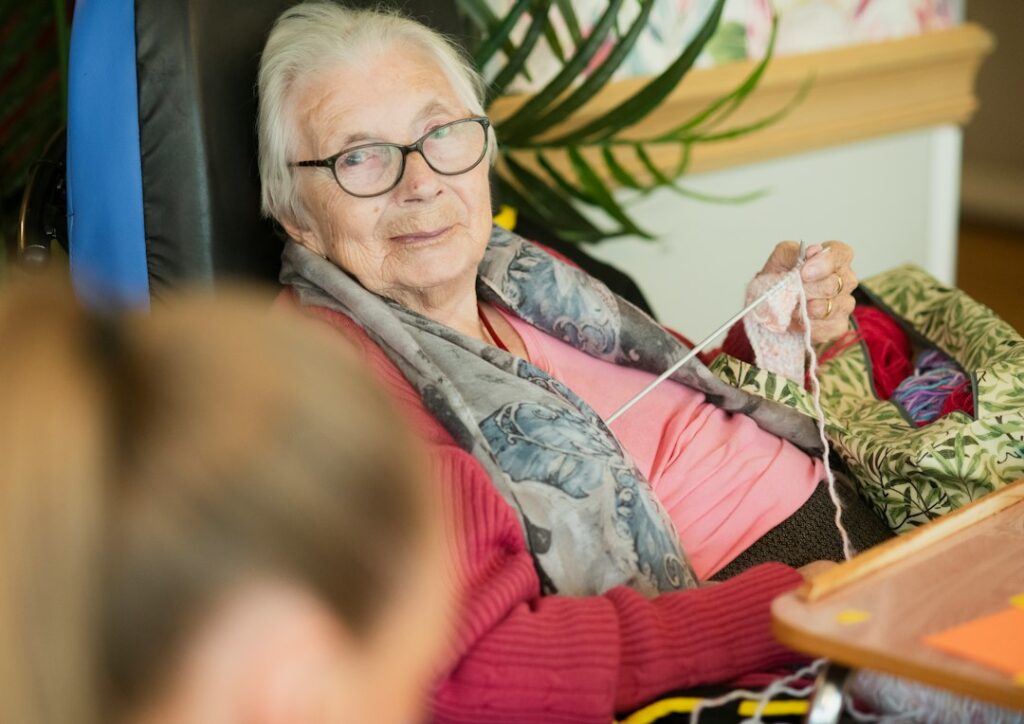
Companionship is more than having someone nearby. For an older adult, regular social connection can support emotional well-being, daily structure, confidence, and continued participation in familiar activities. In Cumming, GA, where many households include older adults living independently or near family members, companionship may be an important part of maintaining quality of life at home.
Companionship in non-medical home care does not replace medical treatment. Its purpose is to provide social interaction, practical encouragement, and a reassuring presence while helping an older adult remain connected to everyday life.
What does companionship mean for an older adult?
Companionship usually involves spending meaningful time with an older adult in ways that match personal interests, routines, abilities, and comfort level. The focus is not simply being in the same room. It is creating opportunities for conversation, participation, and connection.
Examples may include:
- Sharing a meal or cup of coffee
- Talking about family memories, current events, books, or hobbies
- Taking a walk when weather and mobility allow
- Playing cards, completing puzzles, or listening to music
- Looking through photographs or organizing personal belongings
- Accompanying an older adult on an errand or to a community activity
- Encouraging phone or video conversations with family members
The most helpful companionship is usually consistent and personal. An older adult may benefit more from a familiar routine and a comfortable conversation than from occasional busy social events.
Can companionship reduce loneliness?
Regular companionship can help reduce feelings of loneliness by giving an older adult dependable opportunities for conversation and shared activity. This does not mean every older adult who lives alone is lonely, or that companionship eliminates grief, depression, or other emotional concerns. It does mean that regular human connection can help prevent long stretches of isolation.
Loneliness may be difficult to recognize. An older adult might not say, “I feel lonely.” Instead, family members may notice changes such as:
- Fewer phone calls or visits
- Loss of interest in favorite activities
- Spending most of the day in one room
- Reduced attention to meals, grooming, or household routines
- Irritability, sadness, or unusual withdrawal
- Repeatedly talking about having nothing to do
Companionship provides a natural opportunity to notice these changes. A person who visits regularly may recognize that an older adult seems different from usual and can share observations with family members. Changes that appear sudden, severe, or persistent should be discussed with an appropriate healthcare professional.
How can social connection affect daily routines?
Companionship can make ordinary routines feel more manageable and worthwhile. An older adult may be more likely to eat a balanced meal, take a brief walk, complete a household task, or spend time outdoors when another person provides friendly encouragement.
This support should be encouraging rather than controlling. The goal is to preserve choice and independence, not to treat the older adult like a child. For example, companionship might involve asking whether the person would prefer to walk before lunch or later in the afternoon, rather than insisting on a fixed activity.
A predictable routine may be especially helpful during seasonal changes. Hot, humid weather can make outdoor activity uncomfortable, while shorter winter days may reduce time outside. Indoor options such as stretching, conversation, music, games, or organizing photographs can help maintain engagement throughout the year.
Does companionship help older adults remain independent?
Companionship can support independence by providing confidence without taking over every task. An older adult may continue doing familiar activities when another person is available for reassurance, conversation, or light assistance.
For example, an older adult might still prepare a simple meal but appreciate company in the kitchen. Someone may continue walking through the neighborhood but feel more comfortable with another person nearby. A person managing household paperwork may benefit from having someone sit at the table while the individual sorts documents independently.
Preserving independence means allowing an older adult to make reasonable choices and complete safe tasks at an individual pace. Companionship should not automatically mean doing everything for the person. Excessive help can unintentionally reduce confidence and participation.
What activities provide meaningful companionship?
Meaningful activities depend on the person’s history, interests, energy level, and physical abilities. Activities do not need to be expensive, complicated, or highly organized.
Useful options include:
- Cooking a familiar family recipe
- Watching a favorite type of program and discussing it
- Gardening in containers or caring for indoor plants
- Reading aloud or listening to an audiobook
- Sorting photos, letters, recipes, or keepsakes
- Sitting outside during a comfortable part of the day
- Attending a local faith, educational, or recreational activity when appropriate
- Writing notes or making phone calls to relatives and friends
- Practicing a hobby in an adapted way

The activity matters less than the sense of involvement. A person who can no longer complete a hobby exactly as before may still enjoy a modified version. Someone who once gardened extensively might water a few containers, select seeds, or talk about past gardens.
How does companionship support family caregivers?
Companionship can also help family caregivers understand an older adult’s daily experience. A family member may visit briefly and assume everything is fine, while a person spending more regular time in the home may notice skipped meals, confusion about schedules, or growing difficulty with routine tasks.
This does not mean companionship should be used to diagnose a health problem. It can, however, provide useful observations for family communication. Notes about changes in appetite, mood, mobility, sleep patterns, or social interest may help families decide whether further evaluation is needed.
Family members should also avoid treating companionship as a substitute for all other support. Some situations require medical care, skilled nursing, transportation assistance, home modifications, legal guidance, or emergency intervention. Non-medical companionship has a narrower but valuable role.
What should families consider for an older adult living alone?
Families should look at both social needs and practical safety. A person may be socially active but still have difficulty managing stairs, medications, bathing, cooking, or transportation. Another person may be physically capable but increasingly isolated.
Questions worth considering include:
- How often does the older adult have meaningful conversation?
- Are meals being prepared and eaten regularly?
- Does the person have safe ways to reach family or emergency help?
- Are there obstacles, poor lighting, or seasonal hazards around the home?
- Has the person stopped activities that were previously enjoyable?
- Does the older adult feel comfortable asking for help?
- Are visits arranged around the person’s preferred schedule and energy level?
In a spread-out community with a mix of established neighborhoods, newer housing, and households located at varying distances from one another, transportation and scheduling can affect social connection. A family may live nearby yet still find that work hours, traffic, weather, or other responsibilities limit regular visits. Planning consistent contact can help prevent companionship from becoming occasional or unpredictable.
What if an older adult refuses companionship?
Resistance may reflect a desire for privacy, fear of losing independence, unfamiliarity with the person, or concern about being viewed as incapable. It is often more effective to begin with a familiar purpose rather than describing the arrangement as “care.”
A first visit might focus on a shared activity, such as reviewing photographs, taking a short walk, or discussing a favorite hobby. Giving the older adult choices about timing, activities, and personal routines can make the arrangement feel more respectful.
Trust generally develops through consistency. A person may need time to become comfortable with regular companionship, especially after a major life change, illness, bereavement, or move.
When is additional help needed?
Companionship is appropriate for social and practical support, but certain signs call for additional attention. New confusion, repeated falls, unexplained weight loss, severe sadness, threats of self-harm, unsafe driving, medication mistakes, or difficulty with basic personal care should not be addressed through companionship alone.
In an emergency, use emergency services. For non-urgent concerns, families can discuss changes with the older adult’s healthcare team or another qualified resource. The right level of support depends on the person’s health, preferences, home environment, and ability to manage daily activities safely.
For many older adults, quality of life is shaped by ordinary moments: a conversation at the kitchen table, a shared walk, a familiar song, or the confidence to keep participating in daily routines. Consistent companionship can help those moments happen more often while respecting the person’s dignity, choices, and independence.